
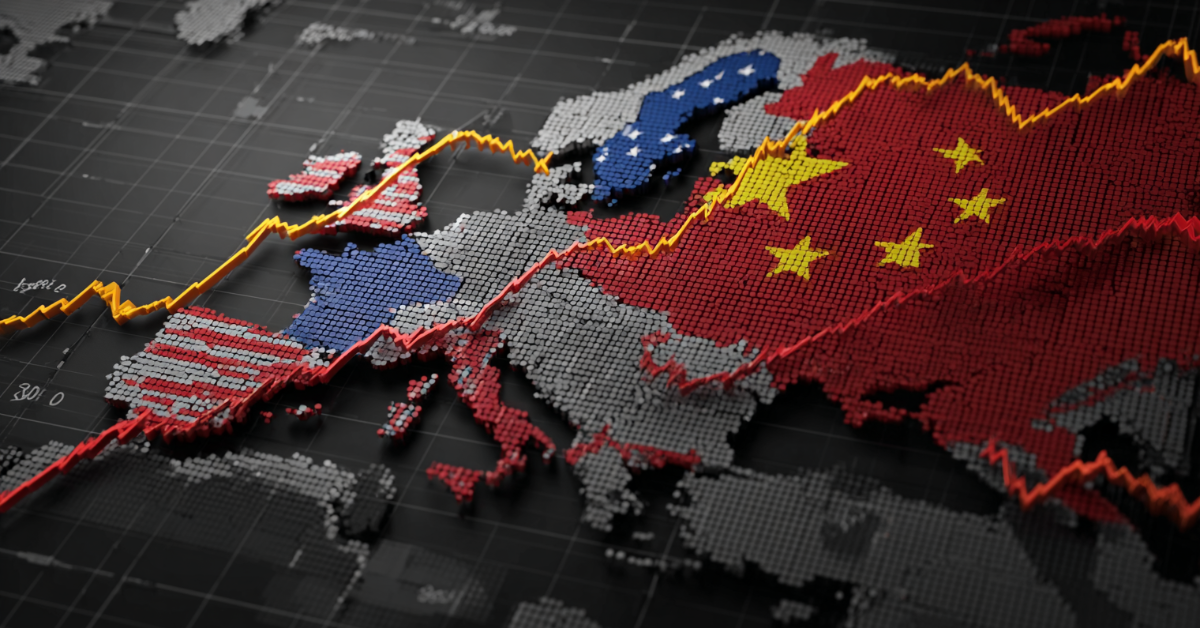
The global economic outlook for 2026 is broadly characterized by continued expansion but at a slightly moderated pace compared to 2025. The consensus forecast from major economic institutions projects a deceleration in real (inflation-adjusted) Gross Domestic Product (GDP) growth, as the tailwinds from post-pandemic recovery and trade shifts begin to ease.
Table of Contents
Consensus Global Growth Forecasts for 2026
Most forecasts place the global GDP growth rate for 2026 in the range of 3.0% to 3.2%, representing a marginal dip from the estimated 3.2% to 3.3% seen in 2025.
| Institution/Source | 2025 Global GDP Forecast | 2026 Global GDP Forecast | Key Trend |
|---|---|---|---|
| Mastercard Economics Institute | 3.2% | 3.1% | Continued, but divergent, expansion. |
| International Monetary Fund (IMF) | 3.2% – 3.3% | 3.1% | Growth prospects remain dim, global economy in flux. |
| Morgan Stanley Research | ~3.0% (Q4/Q4) | ~3.2% | Moderate growth, aided by resilient consumption and capital spending. |
The overall narrative is one of divergence, where the performance of advanced economies is expected to vary significantly from emerging markets, and expansion is concentrated in specific sectors and regions.
Primary Drivers of Global Growth in 2026
Several forces are expected to provide tailwinds for the global economy, supporting the continued expansion despite the slight deceleration in the headline figure:
1. Monetary Policy Easing
As global inflation continues its gradual descent toward central bank targets, major central banks—including the US Federal Reserve (Fed) and the European Central Bank (ECB)—are expected to continue or commence interest rate cuts throughout 2026. This pivot towards an easier monetary policy stance will lower financing costs, easing pressure on businesses and households, and supporting capital investment and consumer spending.
2. The AI Supercycle and Technology Investment
Investment in Artificial Intelligence (AI) infrastructure remains a powerful, non-cyclical engine for growth. The continued, massive capital expenditure (CapEx) on AI hardware, data centers, and related digital infrastructure—especially in the US and parts of Asia—is driving significant demand in the technology and manufacturing sectors, directly contributing to GDP growth.
3. Fiscal Stimulus and Government Spending
Government spending remains supportive of growth in several major jurisdictions. Examples include new tax cuts supporting R&D and manufacturing in the US, significant investments in green technology and defense in Europe (e.g., Germany), and front-loaded policy support in China targeting economic stabilization and high-tech sectors.
Divergent Regional Outlooks
The global growth figure masks significant differences in the projected performance of key economic blocs:
- United States: US GDP growth is generally forecast to remain resilient, potentially accelerating slightly to around 2.2% in 2026 (up from ~2.0% in 2025) as lower rates and R&D/manufacturing tax incentives take hold, despite consumer sentiment remaining low.
- China: China’s growth is expected to continue its structural moderation, with forecasts around 4.5% to 5.0% in 2026, slightly down from 2025. This deceleration is attributed to lower external demand (particularly from the US) and ongoing challenges in the property sector, partially offset by targeted government stimulus.
- Eurozone: Growth is projected to remain moderate, likely around 1.1% to 1.5%. The region benefits from improved credit conditions and the eventual rollout of fiscal stimulus but faces headwinds from geopolitical events and fiscal consolidation requirements in some member states.
- Emerging Markets (Ex-China): These economies are generally positioned for robust performance, with some forecasts suggesting growth above 4.0%. This is supported by lower local interest rates, attractive valuations, and resilient global demand for commodities and goods.
Major Downside Risks for 2026
The outlook remains highly vulnerable to a number of persistent risks:
- Geopolitical Fragmentation and Tariffs: Escalating trade tensions, particularly between the US and China, continue to reshape global trade flows. The risk of new, higher tariffs or the breakdown of existing trade relationships could trigger negative supply shocks, leading to higher inflation and lower growth in the affected regions.
- AI Bubble/Overvaluation Risk: The significant growth contribution from the technology sector is contingent on the ability of AI companies to successfully monetize their massive investments. If the AI “bubble” bursts, or if earnings expectations fall short, a crash in US tech stocks could severely impact consumer wealth and investment, potentially triggering a US and global recession.
- Persistent Inflation and Monetary Policy Error: While the baseline forecast is for cooling inflation, upward pressures from high investment needs (e.g., in digital infrastructure and energy transition), labor market fluctuations, and the lingering effects of tariffs could cause inflation to remain sticky. This would force central banks to pause or reverse expected rate cuts, stifling economic recovery.
- Fiscal Unsustainability: High government debt levels in many advanced economies limit fiscal flexibility. The simultaneous need to fund defense spending, energy transition, and aging populations amidst high interest rates poses a risk to debt sustainability, which could lead to austerity measures that drag on growth.