
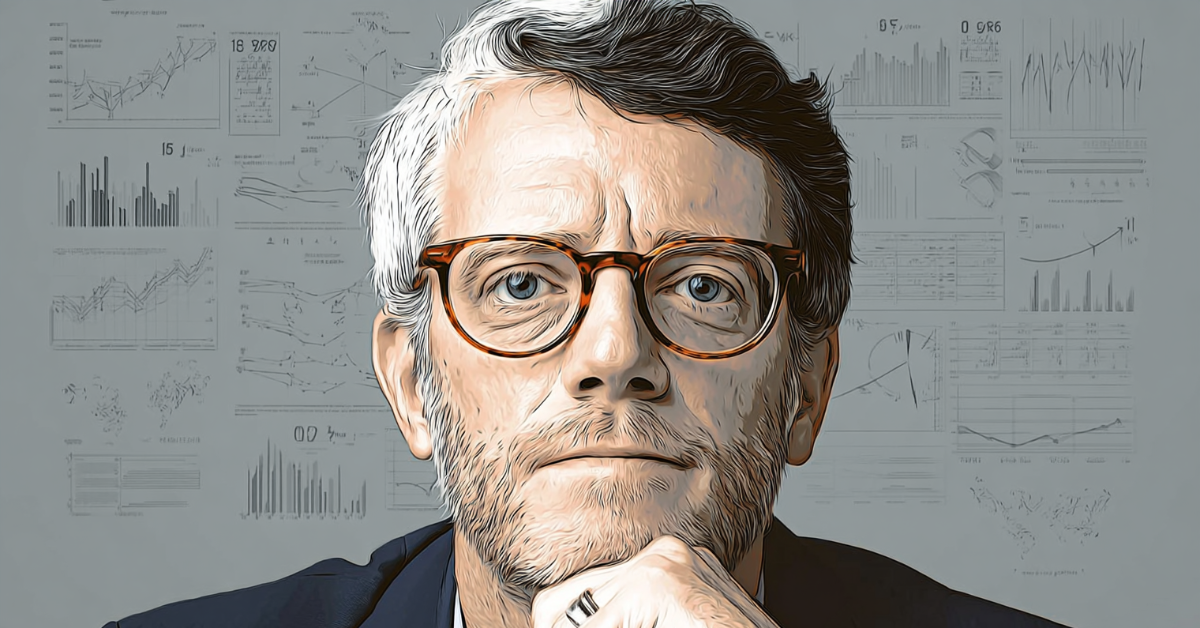
Peter Lynch is widely regarded as one of the greatest mutual fund managers in history. His thirteen-year tenure managing the Fidelity Magellan Fund (FMAGX) is an iconic case study in active management, offering profound lessons for both professional and individual investors.
Table of Contents
Peter Lynch’s Investment Performance at Fidelity Magellan Fund
Lynch managed the Fidelity Magellan Fund (FMAGX) from May 1977 until his retirement in May 1990. The performance he achieved during this period was extraordinary and cemented his legacy:
- Average Annual Return: Approximately 29.2% (or 29%) over the 13-year period.
- Market Outperformance: This remarkable return consistently outperformed the S&P 500 Index, which returned approximately 15.8% annually over the same time frame.
- Asset Growth: Under his stewardship, the fund’s assets under management grew from a modest $18 million to over $14 billion, becoming the largest mutual fund in the world at the time.
Despite the fund’s phenomenal success, a critical point often highlighted is that the average investor in the Magellan Fund reportedly lost money during this period. This paradox is attributed to poor behavioral timing—investors poured money into the fund after periods of spectacular performance (buying high) and redeemed their shares in panic after market declines (selling low), completely missing the benefit of Lynch’s long-term compound returns. This serves as a crucial reminder that fund performance and individual investor returns can be drastically different due to behavioral finance.
Core Peter Lynch Investment Strategies
Lynch’s investment philosophy is a blend of growth and value, often encapsulated by the acronym GARP (Growth at a Reasonable Price). His approach is simple yet demanding, empowering the individual investor through commonsense observations coupled with rigorous research.
1. Invest in What You Know (“The Edge”)
Lynch’s most famous mantra is “Invest in what you know.” He believed that individual investors have a significant advantage over Wall Street professionals because they can observe new successful products, services, or growing companies in their everyday lives—at the mall, in their workplace, or through their family’s consumption habits—long before analysts notice the trend. This familiarity provides an “edge” that, when coupled with financial research, leads to superior stock picks.
2. Growth at a Reasonable Price (GARP)
Lynch sought companies with solid, consistent earnings growth that were not yet trading at exorbitant valuations. The key metric he popularized to determine value was the PEG Ratio (Price-to-Earnings divided by the Annual Earnings Growth Rate). He argued:
- A company is fairly valued when its P/E ratio is equal to its growth rate (PEG = 1).
- A company is potentially undervalued when its PEG ratio is less than 1.
3. The Six Categories of Stocks
Lynch categorized stocks to help investors understand the fundamental business “story” and what kind of return and risk to expect:
- Slow Growers: Large, aging companies with single-digit growth. Lynch generally avoided these, viewing them mainly for dividends.
- Stalwarts: Large, mature companies that grow 10–12% per year (e.g., Coca-Cola, Procter & Gamble). He used these as defensive holdings during recessions.
- Fast Growers: Small, aggressive new firms with annual earnings growth of 20–25%. These were Lynch’s favorites, as one or two big winners can make a portfolio.
- Cyclicals: Companies whose sales and profits expand and contract in line with the economic cycle (e.g., auto, airlines). Timing is crucial for these stocks.
- Asset Plays: Companies sitting on valuable assets (e.g., real estate, cash) that are not reflected in the stock price.
- Turnarounds: Companies that have been battered and are on the brink of collapse, but have a chance to revive due to a successful restructuring or new product.
4. The Importance of Financial Health
Lynch stressed the importance of fundamental analysis, advising investors to always review the balance sheet. Key financial health metrics he looked for included:
- Low Debt-to-Equity Ratio: Especially for smaller, fast-growing companies.
- Strong Free Cash Flow: Valuing a company’s ability to generate real cash.
- Ample Cash Reserves: To weather economic downturns.
Lessons for Successful Investing
Peter Lynch’s approach offers perennial wisdom that remains highly relevant for the modern investor:
- The Individual Investor’s Advantage: You have an inherent advantage over Wall Street. By observing your world (your job, your family’s purchasing trends), you can spot multi-bagger stock opportunities (stocks that return many times their initial cost) before the institutional crowd.
- Know What You Own: Never buy a stock without being able to articulate a simple, compelling business “story” about why the company will succeed. If you cannot explain what the company does in two minutes, you should not own it.
- Patience is the Greatest Virtue: The correlation between a company’s stock price and its underlying business success is near 100% in the long run, but zero in the short run. Investors must tolerate market volatility and hold onto a great company as long as its fundamentals (the story) remain intact. Lynch’s advice: “Selling your winners and holding your losers is like cutting the flowers and watering the weeds.”
- Avoid Market Timing: Lynch believed trying to predict economic or market moves was futile. More people have lost money waiting for corrections than in the actual corrections. Focus on the company’s fundamentals, not the noise of the market.
- Accept Imperfection: You do not need to be right all the time. Lynch was fond of saying that if you are right six times out of ten, you are an investing legend. A few big winners are all it takes to make a spectacular long-term return, easily offsetting the inevitable losers.