
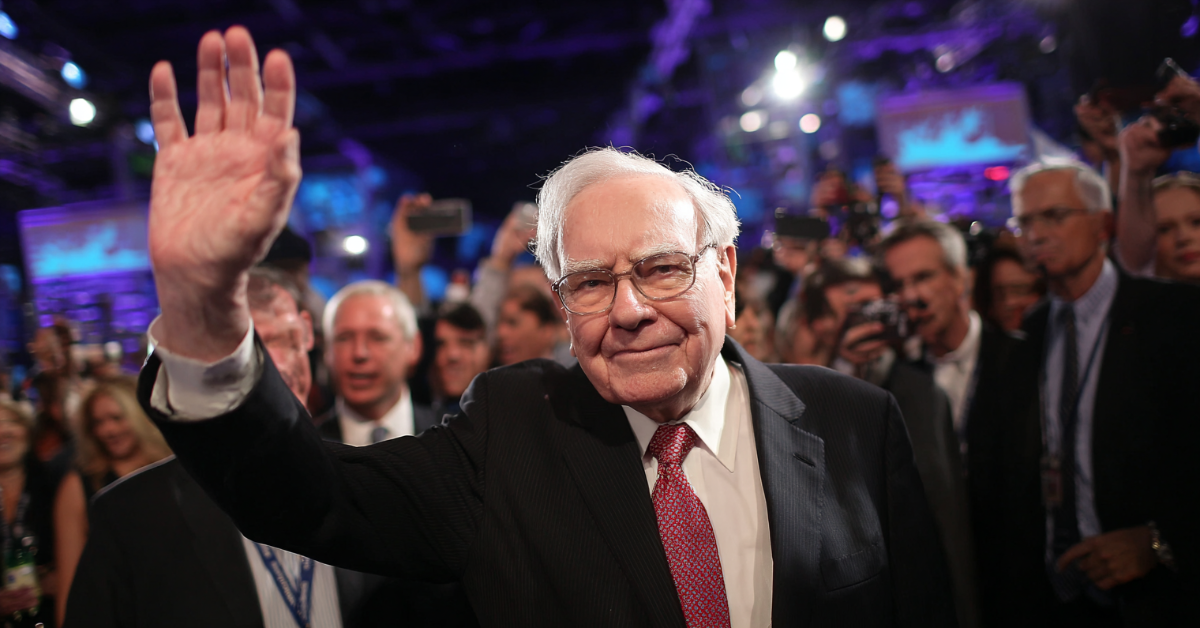
As Warren Buffett, one of the most celebrated investors of all time, steps down as CEO of Berkshire Hathaway at the end of 2025, the investment conglomerate enters a new era. This white paper deep dives into the firm’s portfolio composition as of late 2025, analyzes the expected strategic evolution under new leadership, and assesses the potential impact on performance from 2026 onward.
Table of Contents
Key Equity Holdings as of December 2025
As of late 2025, Berkshire Hathaway’s public equity portfolio remains highly concentrated, reflecting Warren Buffett’s long-term, value-oriented philosophy, focusing on businesses with durable competitive advantages. The portfolio’s massive size is also notable, alongside a record cash pile.
- Top Concentration: The portfolio continues to be dominated by a few key positions, which together account for a significant majority of the public stock holdings.
- Core Tech Giant: Apple Inc. (AAPL) remains the single largest position by a substantial margin, despite recent trimming by Berkshire in 2025. The stake in the tech company accounts for well over 20% of the public equity portfolio, underscoring its importance to Berkshire’s returns.
- Financial Stalwarts: Long-term holdings in the financial sector continue to be major pillars, including American Express Company (AXP) and Bank of America Corp. (BAC). Berkshire has been a persistent holder of AXP for decades, and its BAC position is substantial.
- Consumer and Energy Classics: Other significant holdings include The Coca-Cola Co. (KO), another classic “forever” stock for Buffett, and major stakes in the energy sector like Chevron Corp. (CVX) and Occidental Petroleum Corp. (OXY), reflecting a recent opportunistic focus on this area.
- Newer and Adjusted Holdings: Recent activity has shown a willingness to invest in sectors like healthcare, notably a new stake in UnitedHealth Group (UNH), and increased exposure to technology with an investment in Alphabet Inc. (GOOG, GOOGL). Conversely, the company has been a net seller of stocks for several consecutive quarters, which reflects Buffett’s cautious stance on overall market valuations.
- Cash Pile: The cash and short-term investments held by Berkshire Hathaway have grown to a record high, reportedly exceeding $380 billion by late 2025. This massive reserve offers unparalleled flexibility for future acquisitions or large-scale investments for the incoming CEO.
Shift in Strategy Post-Warren Buffett’s Retirement
With Warren Buffett retiring as CEO and Greg Abel taking the helm, alongside other management shifts like the departure of investment manager Todd Combs, Berkshire is moving toward a more conventional corporate structure. While the core philosophy is expected to endure, subtle but significant strategic shifts are anticipated.
- Succession and Continuity: Greg Abel, who has been managing all non-insurance operations, is a respected leader steeped in Berkshire’s culture. He has publicly indicated that he will not materially alter the company’s investment philosophy or capital allocation strategy, suggesting the core principles of value investing will persist.
- Increased Oversight and Formalization: Abel is already known to exercise more hands-on management over the non-insurance subsidiaries than Buffett. The creation of a new General Counsel role and the retirement of long-time CFO Marc Hamburg, with a successor named, signals a move toward a more formalized, less decentralized structure.
- Technology Focus: A more noticeable pivot is likely to be an increased emphasis on technology. While Buffett was historically reluctant to invest in the sector, the massive size of the cash hoard and the undeniable importance of technology in the modern economy will likely compel the new leadership to seek tech investments more actively. The existing, and relatively recent, stake in Alphabet supports this expectation.
- Capital Deployment Pressure: The record $380+ billion cash pile creates immense pressure for the new CEO. Abel’s first major acquisition will be a critical test of his capital allocation skills. The new era may see the company execute a large-scale acquisition, exceeding Buffett’s previous records, or a more aggressive increase in share repurchases.
- The Dividend Question: Buffett has consistently preferred to retain profits for investment. However, the inability to find suitable investment opportunities commensurate with the company’s size, evidenced by the soaring cash balance, could force Abel to initiate a shareholder dividend, even a symbolic one, to utilize the capital.
Potential Impact on Firm Performance from 2026 Onward
The performance of Berkshire Hathaway from 2026 onward will be driven by a confluence of macroeconomic factors, the operational success of its wholly-owned subsidiaries, and the capital allocation decisions made by the new CEO, Greg Abel.
- Dampened Stock Premium: The “Buffett premium”—the extra valuation the market attributed to the firm solely due to the iconic CEO’s presence—is likely to continue to dissipate. This could translate to lower stock appreciation relative to historical averages immediately following the transition, as the stock has already underperformed the S&P 500 since Buffett announced his retirement.
- Operational Stability vs. Investment Returns: Berkshire’s performance will increasingly rely on the strong operating earnings of its diverse subsidiaries (like BNSF Railway and Berkshire Hathaway Energy), managed by Abel, which provide a robust and stable earnings base. The returns from the public equity portfolio, managed by the remaining investment team, will be the secondary, more variable component.
- Cash Deployment as a Key Catalyst: The most significant factor influencing future performance will be the effective deployment of the massive cash hoard. If Abel executes a successful, large-scale acquisition, or makes shrewd public market investments, it could provide a substantial boost to the company’s value. Conversely, failure to deploy the capital effectively, or a poorly timed/executed deal, would weigh heavily on returns.
- Technology and Growth: A shift toward more technology-focused investments could introduce higher growth potential into the portfolio, potentially offsetting the “lower ceiling” that some analysts project due to Berkshire’s immense size.
- Investor Sentiment and Transparency: Abel may face pressure to enhance Berkshire’s corporate disclosures, moving away from Buffett’s famously light-overhead, informal style. Increased transparency could favorably impact investor confidence and valuation.
In summary, while Berkshire Hathaway’s fundamental financial strength and diverse business portfolio remain a source of stability, the post-Buffett era will be marked by increased formality, a likely tilt towards deploying the massive cash reserves, and a potential, gradual strategic evolution to embrace sectors like technology more fully. The performance in the coming years will be a direct reflection of Greg Abel’s execution of these strategic imperatives.