
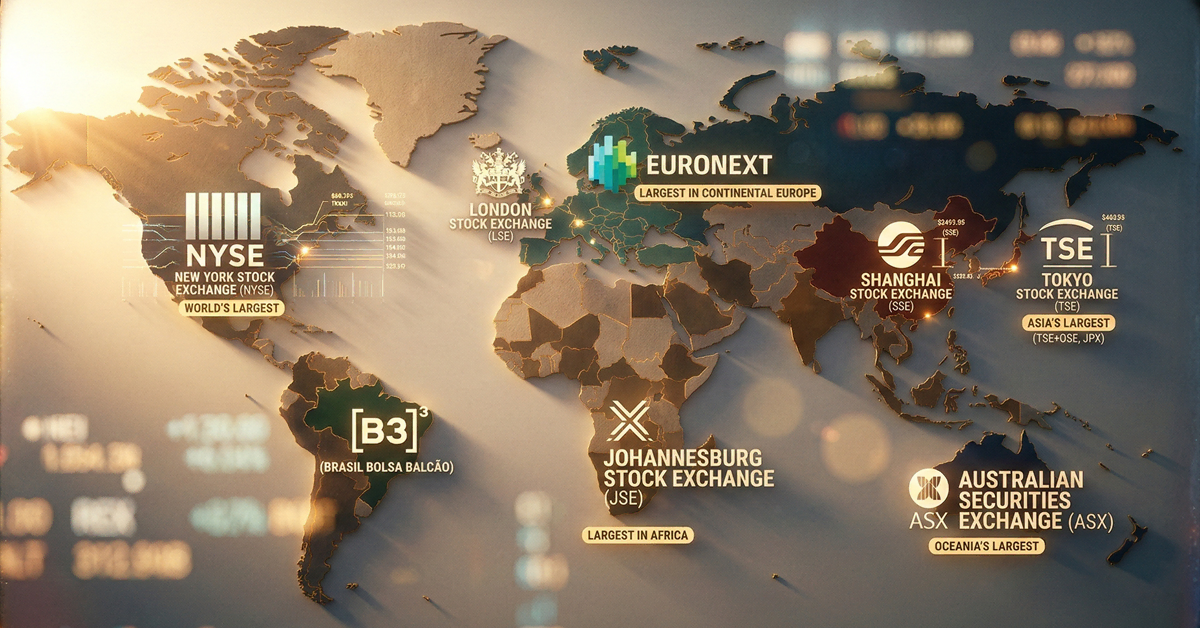
The global economic landscape between March 2025 and March 2026 transitioned through a phase of tenuous resilience, characterized by the recalibration of trade dependencies, the institutionalization of artificial intelligence (AI) within corporate capital expenditure, and a profound divergence in fiscal and monetary policy trajectories across continents. While the commencement of 2025 was defined by “front-loading” activities—a frenetic race by global firms to secure inventories ahead of anticipated protectionist shifts—the latter half of the trailing year witnessed the emergence of a new “steady-state” growth environment. Global output growth for this period is estimated to have held relatively steady at approximately 3.2% to 3.3%, largely sustained by robust private sector adaptability and a technology investment boom that acted as a critical counterweight to heightening trade-related distortions.
Throughout the trailing twelve months, the global financial system grappled with the implications of persistent inflation in certain jurisdictions—most notably the United States—while other regions, particularly the Eurozone, successfully achieved their price stability mandates. This disparity in disinflation progress has influenced a fragmented global interest rate environment, where some central banks have pivoted toward aggressive easing to support growth, while others remain in a “wait-and-see” mode to evaluate the lagged effects of prior tightening and the potential inflationary pressures of new fiscal regimes. The following analysis provides an exhaustive review of these continental dynamics and the subsequent implications for effective asset allocation.
| Indicator | Global Projection (2025) | Global Projection (2026) | Trend Analysis |
| Real GDP Growth | 3.2% | 3.3% | Resilient/Stable |
| Headline Inflation | 4.4% | 3.8% | Cooling/Uneven |
| Trade Growth | 3.8% | 2.2% | Slowing/Fragmenting |
| Energy Prices | – | -7.0% | Declining Supply Surplus |
Table of Contents
North America: Fiscal Expansion and the Regulatory Pivot
The North American macroeconomic narrative for the trailing year has been almost entirely subsumed by the implementation of the One Big Beautiful Bill Act (OBBBA) and the subsequent judicial and executive volatility surrounding trade policy. The United States, having avoided a recession in 2025, moved into 2026 with a growth trajectory estimated at 2.4% to 2.6%, significantly outperforming the consensus forecasts of late 2024. This performance was underpinned by a massive fiscal tailwind that redefined the domestic investment landscape while simultaneously exacerbating concerns regarding the long-term sustainability of the national debt.
The OBBBA and the New Investment Paradigm
Enacted in mid-2025, the OBBBA served as the primary catalyst for domestic economic activity by making permanent several key provisions of the 2017 Tax Cuts and Jobs Act (TCJA) and introducing aggressive new incentives for capital formation. The legislation permanently established full expensing for short-lived assets and domestic research and development (R&D) expenditures, effectively removing a historical tax penalty on capital-intensive innovation. Analysts estimate that these provisions alone could lift long-run real GDP by 0.7% to 1.2% by providing the regulatory certainty necessary for long-term business planning.
The law’s impact on the real economy was immediate; real business fixed investment, which saw an initial annualized growth of 1.9% in early 2025, was later revised upward to a staggering 7.3% as firms capitalized on the accelerated write-off of new factories and equipment. This surge was particularly pronounced in the semiconductor and industrial sectors, where expanded tax credits for domestic production encouraged a wave of reshoring. However, the fiscal “price tag” of the OBBBA remains a point of intense scrutiny among fixed-income investors. With conventional scores projecting a revenue loss of $5.0 trillion over ten years—partially offset by $2.1 to $2.3 trillion in growth-induced revenue—the U.S. deficit is expected to cement itself at roughly 7% of GDP. This fiscal trajectory has forced interest payments to exceed defense spending for the first time in modern history, a phenomenon that has kept long-end Treasury yields elevated even as the Federal Reserve initiated rate cuts.
| OBBBA Provision | Economic Mechanism | Expected Impact |
| Permanent R&D Expensing | Lowering the after-tax cost of innovation | Boost to High-Tech/AI CapEx |
| TCJA Individual Relief | Maintaining disposable income levels | Stabilized Consumer Spending |
| Section 179 for Small Biz | Incentivizing localized equipment purchase | Supporting “Middle Market” Resilience |
| Medicaid/Social Service Cuts | Deficit reduction/Spending realignment | Headwinds for Healthcare sector |
Trade Policy and the Judicial Check
The trailing year was also marked by a dramatic legal confrontation over the limits of executive authority in trade policy. On February 20, 2026, the U.S. Supreme Court ruled in Learning Resources Inc. v. Trump that the International Emergency Economic Powers Act (IEEPA) does not authorize the imposition of broad, open-ended tariffs. The Court’s 6-3 decision struck down the legal foundation of the administration’s central trade strategy, concluding that tariffs are inherently an exercise of the taxing power reserved for Congress.
This ruling triggered an immediate and “messy” administrative pivot. Within hours, the administration invoked Section 122 of the Trade Act of 1974 to impose a 15% global tariff—the maximum allowed under that specific statute—for a 150-day period. While this move was intended to preserve the protectionist framework, it introduced profound instability into supply chain management. Importers who had already paid billions in IEEPA-based duties found themselves entangled in a complex refund process, where the ability to recover funds hinged on whether their entries had been “liquidated” by Customs and Border Protection. This regulatory whiplash contributed to a “trade volatility premium” in the markets, favoring companies with flexible logistics networks and safe-haven assets like gold, which reached new highs in the wake of the decision.
Financial Market Performance and Sector Rotation
In the equity markets, the trailing year represented a fundamental shift from multiple-driven returns to earnings-driven returns. While the 2023-2024 period was characterized by valuation expansion, nearly 85% of S&P 500 returns in late 2025 were attributable to underlying earnings growth. This transition favored value and small-cap stocks over the previously dominant “Magnificent Seven” (Mag-7) technology giants, which began to lag as investors questioned the immediate return on massive AI infrastructure investments.
Small-cap stocks, as measured by the Russell 2000, delivered a robust 5.4% return in January 2026 alone, benefiting from the OBBBA’s focus on domestic investment and the Federal Reserve’s pivot to three consecutive 25 basis point rate cuts in late 2025. The broader market showed a similar trend of “broadening out,” with the equal-weighted S&P 500 significantly outperforming its cap-weighted counterpart. This suggests that the “Tech Tonic” of the previous two years has matured into a more balanced bull market where industrials, materials, and financials—sectors most sensitive to the new fiscal regime—have taken the leadership mantle.
Europe: Disinflation and a Cyclical Rebound
The European continent spent much of the trailing year navigating a precarious balance between stagnant growth and a determined effort to anchor inflation. By early 2026, the region appeared to have reached a turning point, with a cyclical upswing gaining momentum as the lagged effects of monetary easing began to permeate the domestic economy.
The Disinflation Milestone and ECB Policy
The Eurozone’s most significant achievement in the past year was the successful return of headline inflation to its 2% target by mid-2025, significantly earlier than many analysts had projected. In December 2025, Eurozone CPI fell to 1.9%, providing the European Central Bank (ECB) with the policy space to conclude its tightening cycle and move toward a series of cuts that brought interest rates down from 4% to approximately 2%. This disinflation was driven by falling energy prices, a stronger euro, and a more gradual pass-through of wage growth than previously feared.
However, the strength of the euro, which reached its highest level against the dollar since June 2021 in early 2026, has created a new challenge for European policymakers. ECB officials have expressed concern that further appreciation could dampen export demand, potentially necessitating more aggressive rate cuts to maintain competitiveness, even as the domestic economy shows signs of resilience.
| Region | GDP Growth (2025e) | GDP Growth (2026f) | Inflation (2026f) |
| EU (Aggregate) | 1.1% | 1.5% | 1.9% |
| Euro Area | 0.9% | 1.4% | 1.7% |
| Germany | 0.3% | 1.2% | – |
| Spain | 2.8% | 2.1% | – |
| United Kingdom | 1.5% | 0.9% – 1.4% | Lower/Target |
Fiscal Stimulus and Infrastructure Renewal
A critical driver of the European recovery in 2026 is the pivot toward fiscal expansion, particularly in Germany. The German government announced a massive shift in public investment, supported by a €500 billion infrastructure fund designed to be deployed over the next twelve years. This initiative, coupled with exemptions from the national “debt brake” for military spending, has allowed Germany to target a defense budget of 3.5% of GDP by 2029. Analysts expect these measures to lift German growth from a stagnant 0.3% in 2025 to 1.2% in 2026, with significant spillover benefits for the closely linked economies of Central and Eastern Europe (CEE), such as Poland and Hungary.
In Southern Europe, Spain and Portugal continued to exhibit robust performance throughout the trailing year, driven by a strong tourism sector and the effective deployment of NextGenerationEU funds. Spain’s GDP growth of 2.8% in 2025 established it as a regional leader, although growth is expected to normalize to around 2.1% in 2026 as the initial boost from post-pandemic recovery and investment subsidies begins to fade.
European Equity Markets and Defensive Rotation
European equity markets achieved record highs in early 2026, marking an unprecedented eight-month winning streak buoyed by positive corporate results and an improving macro outlook. However, the market’s internal dynamics revealed a growing caution among investors. Significant capital flowed into defensive sectors such as healthcare and food and beverage as a “safe harbor” from potential AI-related disruptions and global trade volatility. Conversely, the banking sector faced headwinds in early 2026, dropping 1.7% in a single day in February due to concerns over private credit market exposures and the potential for a UK mortgage provider collapse.
The STOXX 600 Energy Index also reflected the volatility of the past year, gaining 11.2% in the first half of 2025 but later experiencing fluctuations as global energy demand softened. For investors, the European market in early 2026 presents a “cyclical boost” story tempered by structural headwinds, where stock selection increasingly depends on a company’s ability to navigate high debt-servicing costs and selective fiscal support.
Asia-Pacific: Technological Leadership and Domestic Resilience
The Asia-Pacific region demonstrated a remarkable capacity to absorb global trade shocks during the trailing year, maintaining its position as the primary engine of global growth. While growth in “Developing Asia” is projected to slow from 5.1% in 2025 to 4.6% in 2026, the underlying fundamentals of the region remain strong, driven by a rebound in technology exports and robust domestic consumption in the Indian subcontinent.
India’s Domestic Consumption Engine
India emerged as the standout performer in the region, with growth estimates of 7.2% for the 2025/26 fiscal year. This resilience was largely decoupled from global trade tensions, as domestic demand remained robust, supported by tax reforms that improved real household earnings in rural areas. While the 2026 outlook projects a slight moderation to 6.4% due to the impact of U.S. tariffs on services and manufacturing exports, India’s massive public investment program and resilient private consumption provide a significant buffer against external volatility.
China: Stimulus and Trade Adaptation
China’s economic performance in the trailing year was a story of adaptation. Despite the “sweeping” U.S. tariffs of 2025, the Chinese economy is expected to grow by 4.5% to 4.8% in 2026, revised upward due to a temporary trade truce and aggressive domestic stimulus measures. Beijing’s policy mix has focused on supporting emerging sectors such as advanced electronics and electric vehicles (EVs), which helped cushion the impact of higher tariffs on traditional manufactured goods. However, the structural challenges of capital misallocation—where financial institutions favor large, state-linked firms over more productive private enterprises—and a rise in “debt evergreening” continue to pose long-term risks to China’s growth sustainability.
| Asian Index/Region | GDP Growth (2025e) | GDP Growth (2026f) | Inflation (2026f) |
| Developing Asia | 5.1% | 4.6% | 2.1% |
| China | 5.0% | 4.5% – 4.8% | 0.6% |
| India | 7.2% – 7.3% | 6.4% – 6.6% | 4.7% |
| ASEAN+3 | 4.3% | 4.0% | 1.2% |
Japan and the Volatility of Normalization
Japan’s economy provided a unique case study in monetary normalization. In January 2026, the Bank of Japan (BoJ) kept its key policy rate at 0.75% while continuing to scale back its bond-purchase program. This led to an uncharacteristic spike in 10-year Japanese Government Bond (JGB) yields, which hit a three-year high of 2.38%. Despite this volatility, Japanese equities performed strongly, with the Nikkei 225 rising 7.2% in USD terms in early 2026, fueled by solid corporate earnings and high demand for semiconductors. For investors, Japan has transitioned from a deflationary “safe haven” to a market where fiscal and monetary dynamics are actively driving price discovery and domestic demand.
Southeast Asia and the Tech Cycle
The ASEAN+3 region, comprising Southeast Asian nations along with China, Japan, and Korea, grew by an estimated 4.3% in 2025, with a projected moderation to 4.0% in 2026. This resilience was underpinned by a less severe tariff outcome than initially feared and a continued surge in FDI inflows into emerging technology sectors. Southeast Asian supply chains proved highly responsive to the shifting trade landscape, with production increasingly relocating to economies with favorable preconditions to avoid tariff differentials. This “re-shoring” within Asia has strengthened regional integration, even as global trade momentum faces headwinds.
Latin America: Nearshoring and Commodity Resilience
Latin America showcased a “remarkable” resilience throughout the trailing year, achieving stable growth of 2.4% in 2025 despite an adverse global environment. While individual market fortunes remained tethered to the North American economy and fluctuating commodity prices, the region began to carve out a new identity as a hub for “nearshoring” and sustainable energy investment.
Brazil and the Selic Cycle
Brazil’s economy, the largest in the region, is expected to grow by 2% in 2026. Throughout the trailing year, the benchmark Selic rate held at a high of 15%, yet the Ibovespa benchmark index nothched eight nominal records in September 2025, closing the first nine months up 21.58% in local currency. This performance was driven by historically low valuations and market expectations of a central bank easing cycle in 2026, with UBS projecting a fall in the Selic to 12% by year-end. Brazil’s centrality in advancing regional climate action, highlighted by its hosting of COP30, has also driven a new wave of investment in wind, solar, and bioenergy.
Mexico and the Nearshoring Tailwind
Mexico’s GDP growth of 0.6% in 2025 was a slight upward revision, reflecting a better-than-anticipated performance of the U.S. economy and a surge in international trade activity. As the primary beneficiary of the U.S. “nearshoring” trend, Mexico’s manufacturing sector has seen significant transformation within its supply chains. However, the outlook for 2026 remains at a modest 1.3%, as business leaders navigate the complexities of cross-border trade under a revised USMCA and wait for greater clarity on domestic policy following recent elections.
| Country | GDP Growth (2026f) | Stock Market (Trailing 1Y) | Policy Rate (Jan 2026) |
| Brazil | 2.0% – 2.4% | +21.58% (local) | 15.00% |
| Argentina | 4.0% | +19.78% | 29.00% |
| Mexico | 1.3% | +27.0% (USD) | – |
| Caribbean | 8.2% (inc. Guyana) | – | – |
Argentina’s Agritech Recovery
Argentina is projected to lead regional growth with a 4% expansion in 2026, a significant recovery powered by the resilience of its agricultural sector and the adoption of new agritech innovations. While policy and currency volatility remain part of the operating landscape, the Argentine Merval index saw nearly 20% annual gains in early 2026, reflecting investor optimism regarding structural reforms and the expansion of high-tech exports in traditional sectors.
Africa: Macro-Stability and the Debt Overhang
The African continent experienced a modest improvement in its growth outlook during the trailing year, with GDP projected to rise to 4.0% in 2026. This acceleration reflects greater macroeconomic stability in several large economies, supporting a rebound in investment and consumer spending.
Subregional Performance and Resilience
Growth recovery across Africa remains uneven. East Africa is leading the continent with a projected acceleration to 5.8% in 2026, driven by robust performance in Ethiopia and Kenya and a significant expansion in renewable energy infrastructure. West Africa is also showing resilience, with a 4.4% expansion expected as high prices for precious metals support the economies of the subregion. Southern Africa, however, remains a laggard with growth projected at only 2.0%, as structural constraints and a high exposure to U.S. tariffs continue to weigh on economic activity.
Debt Sustainability and Inflation
A critical challenge for the continent is the persistent debt overhang. Africa’s average public debt-to-GDP ratio is estimated at 63% for 2025, with interest payments absorbing nearly 15% of government revenues. While a few countries have regained access to international capital markets through new bond issuances, the limited fiscal space continues to constrain development and leave the continent vulnerable to climate-related shocks. Inflation has eased across most African economies as exchange rates stabilized, yet food price inflation remains chronically high—above 10% in many countries—which continues to depress consumer confidence and real purchasing power.
| African Subregion | GDP Growth (2025e) | GDP Growth (2026f) | Key Driver |
| East Africa | 5.4% | 5.8% | Renewables/Investment |
| North Africa | 4.3% | 4.1% | Tourism/BOP stability |
| West Africa | 4.6% | 4.4% | Precious Metals/Reform |
| Southern Africa | 1.6% | 2.0% | Structural Adjustment |
Oceania: The Divergent Paths of Australia and New Zealand
The trailing year in Oceania was characterized by a reversal of fortunes between its two major economies. While Australia spent the latter half of 2025 and early 2026 navigating a period of reliance on public spending, New Zealand emerged from a cyclical downturn with a more aggressive recovery trajectory.
New Zealand’s Rate-Cut-Led Rebound
New Zealand’s economy, which contracted by 0.4% in 2024, is projected to rebound to 2.7% – 3.1% growth in 2026. This turnaround was catalyzed by the Reserve Bank of New Zealand (RBNZ), which dropped its official cash rate from 5.5% to 3.0% within the past year. These aggressive cuts have stabilized the housing market—prices are now roughly 25% above pre-pandemic levels—and improved business and consumer confidence. A recovery in external demand for dairy and a rebound in tourism have also helped narrow the current account deficit to a more sustainable 4% of GDP.
Australia’s Public Spending Reliance
Australia’s economy has been “shifting into a higher gear” but remains below historical trends, with growth projected at 2.1% for 2026. Private investment grew at its highest rate since 2021 in late 2025, driven by data center expansions and air transport infrastructure. However, the economy remains heavily dependent on public support; government consumption and investment rose significantly in late 2025, with public spending as a share of GDP reaching 28.5%. Inflation remains a concern in Australia, staying above the RBA’s target range and prompting the central bank to hold rates steady at 3.60%—a stance that has slowed growth relative to its neighbor.
| Oceania Metric | Australia (2026f) | New Zealand (2026f) | Context |
| Real GDP Growth | 2.1% | 2.7% – 3.1% | NZ outperforming AU |
| Headline Inflation | 3.0% | 1.7% | NZ back to target |
| Central Bank Rate | 3.60% | 3.00% | RBNZ more aggressive |
| Unemployment | 4.4% | 5.2% | Tight AU labor market |
Financial Market Performance: Global Asset Analysis
The trailing year across global financial markets was defined by a transition from “growth-at-any-price” to a focus on fundamental durability and the impact of the “AI Power Race” on tangible assets.
Commodities: The Bullion and AI Metal Boom
Commodity markets experienced a banner year in 2025, with safe-haven demand and the technological transition driving record gains. Gold prices surged by over 70%, climbing past $5,200 in early 2026. This surge was fueled by ongoing concerns about inflation and consistent gold purchases by global central banks, who sought to diversify their reserves as U.S. fiscal deficits widened.
Silver outpaced even gold, more than doubling in value (+140%) during 2025. This extraordinary performance was due to silver’s dual role as a precious-metal hedge and a critical industrial conductor required for the construction boom in AI data centers. Copper similarly rose by 40% in 2025, supported by demand from electric vehicles and renewable energy technologies. For investors, these metals have effectively become “AI plays,” as the physical infrastructure required to support large-scale computing drives sustained demand for high-quality conductors.
Fixed Income: The Steepening Curve and Convenience Yields
Sovereign bond markets delivered mixed performance in the trailing year, struggling with a “crisis” of long-dated debt. Despite central bank rate cuts, long-term government bond yields in advanced economies often moved higher, creating a steeper yield curve. This “steepening” indicates that investors are demanding a greater premium to hold 10- and 30-year debt, reflecting concerns about long-term inflation trajectories and the massive supply of government securities needed to fund fiscal expansions.
A key technical driver of this shift has been the declining “convenience yield”—the non-pecuniary value investors place on Treasuries due to their liquidity and collateral usefulness. As concerns about fiscal trajectories grew, the spread between Treasury yields and interest rate swaps narrowed, suggesting that the unique “safety” premium historically assigned to advanced-economy debt is eroding.
| Asset Class | Trailing 1Y Performance | 2026 Outlook/Drivers |
| Gold | +64% – 70% | Safe-haven/Central Bank demand |
| Silver | +140% | AI infrastructure/Safe-haven dual role |
| Copper | +40% | Green energy/Data center build-out |
| Bitcoin | Poor | Market correction/Liquidity shifts |
| Crude Oil | Poor | Tepid demand/Ample global supply |
Global Equities: Broadening and Value Outperformance
Global equities started 2026 on a strong footing, with emerging markets, Asia Pacific, and Europe leading the gains. In the United States, the “broadening bull market” became the dominant theme. While the Nasdaq and tech-heavy indices saw more modest advances, the Russell 2000 small-cap index and the S&P 500 Value index delivered outsized returns. This suggests that the “Magnificent Seven” trade has matured, and investors are now rotating into “cyclical” sectors such as industrials (+6.1%) and banks (+5.5%) that are better positioned to benefit from the current fiscal regime and the reshoring of manufacturing.
In Brazil, the Ibovespa index remains historically undervalued with a PE ratio of 14.0x, despite earnings growth expectations of 24.3%. This creates a compelling entry point for value-oriented investors who are willing to navigate the volatility of the Selic rate cycle. Similarly, European equities outperformed U.S. markets in early 2026 as steady macro data and better-than-expected corporate updates lifted sentiment.
Asset Allocation Recommendations for 2026
To effectively maximize returns in the current environment, investors must move beyond traditional “60/40” models and adopt a more granular, continental approach that accounts for the divergence in fiscal health and technological adoption.
Equity Strategy: Rotation and Selectivity
- Prioritize U.S. Small Caps and Value: The Russell 2000 and value-oriented sectors (Industrials, Materials) are poised to continue their outperformance of large-cap growth. The OBBBA’s permanent expensing provisions provide a structural tailwind for these capital-intensive firms, and the shift toward lower interest rates reduces their debt-servicing burdens.
- European Cyclicals and Defensive Rotation: Investors should allocate to European sectors like healthcare and food and beverage for stability, while selectively adding to industrials in Germany to capture the boost from new infrastructure spending.
- Emerging Markets Growth: Allocation should favor India for its secular consumption story and Brazil for its potential “Selic cut” rally. Emerging market stocks overall rose 25.6% in 2025, and their historically cheap valuations continue to offer a favorable risk-reward profile.
Fixed Income: Duration and Quality
- Shorten Duration in Advanced Markets: Given the steepening of the yield curve and fiscal risks in the U.S. and UK, investors should maintain a focus on shorter-duration fixed income to mitigate the risk of rising long-term yields.
- High-Yield Bonds: Default rates for high-yield debt are projected to remain low through 2026. This sector offers attractive all-in yields and low-interest-rate risk relative to longer-dated sovereign bonds.
- Municipal Bonds and Alternatives: US municipals continue to provide high-quality diversification and attractive tax-free yields. Additionally, alternative asset managers such as Blackstone and Apollo are expected to see sustained growth as institutional investors seek partnerships to navigate market complexity.
Commodities and Alternatives
- Core Bullion Allocation: Gold and silver remain essential safe-haven assets and hedges against currency volatility caused by shifting trade policies. Silver, in particular, should be held as a core “AI play”.
- Infrastructure Metals: Copper should be maintained as a strategic allocation to capitalize on the ongoing construction of data centers and renewable energy networks.
- Digital Assets and Cash: While Bitcoin fared poorly in 2025, its role as a high-volatility alternative may see a resurgence if global financial conditions become more accommodative. High-yield savings accounts and CD ladders remain appropriate for risk-averse portions of the portfolio, providing liquidity as inflation continues to cool.
| Investor Segment | Suggested Equity Mix | Suggested Fixed Income | Alternatives/Hedges |
| Aggressive Growth | 70% (EM/US Small Cap) | 20% (High Yield/EM Debt) | 10% (Silver/Copper) |
| Balanced | 50% (US Value/Euro Cyclical) | 40% (Short-Duration/Munis) | 10% (Gold) |
| Defensive | 30% (Healthcare/Staples) | 50% (Investment Grade) | 20% (Cash/CD Ladder) |
Conclusion: Navigating the Era of Policy Shifts
The macroeconomic and financial data of the past trailing year suggests that the global economy has entered a phase of “steady but divergent” growth. While technology investment and private sector adaptability have successfully offset the headwinds of trade policy shifts, the emergence of massive fiscal deficits in advanced economies has created a new set of risks for long-term financial stability. For investors, the path to maximizing returns lies in identifying the continents and sectors that are most effectively leveraging fiscal support while maintaining price stability.
North America’s OBBBA-led expansion, Europe’s disinflation-driven rebound, and Asia’s domestic consumption resilience provide a diversified menu of opportunities. However, the continued volatility of trade frameworks and the potential for “AI disappointment” necessitate a cautious approach to asset allocation, prioritizing value, quality, and safe-haven hedges like gold and silver. By aligning portfolios with the “Right Side of AI” and the “Right Side of Fiscal Policy,” investors can effectively navigate the complexities of 2026 and beyond.